
10 Common Myths About Recycling Debunked: What You Need to Know
Recycling is a crucial component of environmental sustainability and waste management, but misconceptions about the process and its effectiveness can hinder its success. Many individuals want to do their part for the planet but may be misled by myths that prevent them from actively promoting recycling in their households and communities. This article aims to debunk the ten most common myths associated with recycling, providing you with accurate information to empower your recycling efforts.

Myth 1: Recycling Doesn’t Matter; It’s Just a Drop in the Bucket
One of the most pervasive myths about recycling is that individual efforts are meaningless and won't make a difference in the grand scheme of waste management.
Truth: Every single act of recycling contributes to a collective effort. According to the EPA, recycling and composting prevented the release of 186 million metric tons of carbon dioxide equivalent into the air in 2013 alone. Not only does recycling reduce the amount of waste sent to landfills, but it also conserves natural resources and reduces greenhouse gas emissions. Your participation matters—consider how many people are involved in recycling efforts across communities and countries. Each recyclable item adds up significantly when viewed on a larger scale.
Myth 2: All Plastics Can Be Easily Recycled
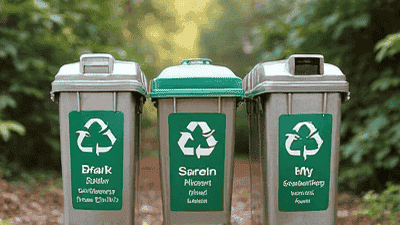
Many people assume that since plastics feature a recycling symbol, they can be recycled easily.
Truth: The truth is that only certain types of plastics are widely accepted for recycling, depending on local guidelines. Plastics are typically categorized by a resin identification code ranging from 1 to 7. Codes 1 (PETE) and 2 (HDPE) are the most commonly recyclable materials, while codes 3, 4, and 6 are often not accepted in curbside recycling. Additionally, some municipalities do not recycle any plastics at all. Understanding your local recycling guidelines is essential to ensure that you are correctly recycling plastic items.
Myth 3: Recycling Takes More Energy Than It Saves
Some individuals believe that the energy expenditure associated with recycling processes negates any potential benefits.
Truth: This myth has been thoroughly disproven by numerous studies. In fact, recycling typically uses less energy than producing new products from raw materials. For example, recycling aluminum saves up to 95% of the energy required to produce aluminum from bauxite ore. Additionally, recycling paper can save up to 60% of energy compared to processing virgin materials. By conserving energy through recycling, we mitigate the need for fossil fuel consumption, reducing harmful emissions and combatting climate change.
Myth 4: All Recyclables Can Be Mixed Together

Many people are under the impression that they can toss all recyclable items into one bin, benefiting from a mixed recycling approach without consequences.
Truth: While many communities have moved towards single-stream recycling, where all recyclables are combined in one bin, it is crucial to follow local guidelines regarding acceptable materials. Contaminated recyclables—such as food-soiled items or non-recyclables mixed in—can cause entire loads to be discarded in landfills instead of being processed for recycling. Contamination is a significant issue in recycling facilities that can lead to increased costs and inefficiencies. Always check to see what materials belong in your recycling bin and try to keep them clean and free of food and contaminants.
Myth 5: Facilities Sort Recyclables, So I Don’t Have to Worry About Contamination
Some people believe that once they place their recyclables in the bin, recycling facilities will sort through everything, alleviating the need for careful sorting on their part.
Truth: Although recycling facilities do have sorting equipment and staff to help separate materials, they often operate under tight budgets and staff limits. Contamination can result in significant processing challenges and costs. Facility staff may not have the time or resources to carefully sort through contaminated materials, leading to higher disposal rates. By taking the time to sort and clean your recyclables properly, you help reduce contamination and make recycling more efficient.
Myth 6: Recycling Is Just a Trend That Will Eventually Fade Away

Some individuals think recycling is merely a passing trend that will lose popularity in future generations.
Truth: Recycling is now an established and necessary aspect of waste management, particularly as societies work toward sustainability goals and combat climate change. With rising awareness of environmental issues, communities globally are recognizing the need for more robust recycling practices. Efforts to increase recycling rates will continue to grow, supported by technology advancements and innovations that seek to improve recycling processes and educate the public further.
Myth 7: Recycling Is Only for Paper and Plastic
Many people associate recycling primarily with paper and plastic, overlooking the importance of recycling other materials.
Truth: Recycling encompasses a wide variety of materials beyond just paper and plastic. Glass, metals (such as aluminum and steel), electronics, textiles, and construction materials can all be recycled as well. Each material has its own recycling process and guidelines, making it essential for individuals to research local programs to understand what materials are accepted. By broadening your recycling efforts to include various types of materials, you can significantly impact waste reduction.
Myth 8: Recycling Is Too Complicated and Time-Consuming
Some individuals feel overwhelmed by the process of recycling, believing that it requires too much effort and contributes to household clutter.
Truth: While there may be a learning curve initially, recycling can be incorporated into your daily routine with ease. Creating designated bins for different materials and establishing a consistent recycling habit can simplify the process. Additionally, many local governments provide educational resources to help residents understand what can be recycled and how to manage waste effectively. Over time, recycling becomes a natural part of your household routine, and the benefits far outweigh the initial effort.
Myth 9: If It's Not Perfect, It’s Not Worth It
Many people believe that if they cannot recycle perfectly or manage every aspect of their waste, then their efforts are ultimately pointless.
Truth: Every small effort contributes to the larger recycling movement, and the cumulative impact is significant. Recycling is a journey, and perfection is not the goal. Instead, focus on making progress, such as reducing waste, composting organic materials, and reusing items. Even if you can't recycle every item or avoid contamination completely, the act of recycling, coupled with other sustainable practices, will result in a positive environmental impact.
Myth 10: Recycling Is Only for Environmentalists
Some people may think that recycling is primarily for those who are passionate about environmental issues rather than a universal responsibility.
Truth: Recycling is essential for everyone, regardless of personal beliefs or lifestyle choices. It is a civic responsibility and a collective effort that benefits communities, economies, and the environment. By participating in recycling, you contribute to reducing waste, conserving resources, and protecting natural ecosystems for future generations. It is an accessible action that we can all participate in, which can help shift societal norms toward sustainability.
Tips for Effective Recycling
Now that we have debunked these common myths, here are some practical tips to improve your recycling efforts:
Know Your Local Guidelines: Research your municipality’s recycling guidelines to understand what materials can be recycled and how to prepare them for collection. Many local governments have websites or resources that provide this information.
Keep It Clean: Rinse out containers to ensure they are clean and free of food residue. Contaminated items can lead to entire loads being rejected.
Separate Materials: Utilize separate bins for different categories of recyclables to minimize contamination and facilitate easier sorting.
Educate Yourself and Others: Share accurate recycling information with family, friends, and neighbors to create a community of informed recyclers.
Participate in Local Recycling Events: Take advantage of local recycling events that accept materials not typically collected curbside, such as electronics and hazardous waste.
Reduce and Reuse: Prioritize reducing waste and reusing items over recycling whenever possible. The less waste produced, the fewer resources you'll need to recycle.
Stay Informed About Innovations: Keep up to date with advancements in recycling technologies and practices to ensure you're using the best methods available.
Conclusion
Recycling is a powerful practice that helps combat waste, conserve natural resources, and protect the environment for future generations. However, misconceptions about recycling can create barriers to participation and effectiveness. By debunking common myths and providing accurate information, we can empower individuals to embrace recycling as an essential part of their lives.
As you embark on your recycling journey, remember that every effort counts. The cumulative impact of individual actions can lead to significant changes in waste management practices and environmental preservation. By making informed decisions, sharing knowledge with others, and actively participating in recycling initiatives, you can contribute to a healthier planet. Let’s work together to dispel the myths around recycling and create a brighter, more sustainable future for all.
-
 Trash Disposal
How Recycling Saves You Money: A Deep Dive into Cost-Effective Practices
Recycling is not just a trendy catchphrase; it has become an essential part of our daily lives and routines. Living in a world where waste is generated at an alarming rate, understanding the importance of recycling can help us not only preserve our planet but also save money, especially when it comes to home care related to garbage collection.
-
 Trash Disposal
The Do's and Don'ts of Caring for Your Garbage Disposal: Expert Tips
Garbage disposals are a convenient and essential appliance in many modern kitchens. They help eliminate food waste quickly and efficiently, making kitchen cleanup much more manageable. However, to keep your garbage disposal functioning smoothly and extend its life, it is important to understand the do's and don'ts of care and maintenance. This comprehensive guide will explore expert tips for caring for your garbage disposal, ensuring you avoid common pitfalls and get the most out of this invaluable kitchen device.
-
 Trash Disposal
How to Dispose of Hazardous Waste at Home: Safe Practices for Families
In an age where environmental awareness is rapidly increasing, it is increasingly important for families to understand how to properly handle and dispose of hazardous waste. Hazardous waste can come from a variety of household products, such as cleaning agents, paints, batteries, electronics, and various chemicals. Improper disposal of these materials can lead to serious health hazards for individuals, families, pets, and the environment. This comprehensive guide will delve into safe practices for hazardous waste disposal at home, ensuring that families adopt eco-friendly habits while protecting their health and safety.
-
 Trash Disposal
How to Troubleshoot Common Garbage Disposal Problems and Fix Them Fast
Garbage disposals are invaluable tools in modern kitchens, providing a convenient way to dispose of food waste and keep our kitchens clean and odor-free. However, like any appliance, they can encounter problems that can disrupt their functionality. Understanding how to troubleshoot and fix common garbage disposal issues can save you time and money, and ensure that your kitchen runs smoothly. In this comprehensive guide, we will explore the most common garbage disposal problems, their causes, and easy step-by-step solutions to fix them quickly.
-
 Trash Disposal
5 Tips for Managing Household Waste Efficiently
Managing household waste is an essential aspect of maintaining a clean and sustainable home. As awareness of environmental issues grows, more people are looking for ways to reduce their waste footprint and contribute to a healthier planet. Effective waste management not only helps you declutter your space but also promotes recycling, composting, and reducing overall waste.
-
 Trash Disposal
Top 10 Foods You Should Never Dispose of in Your Garbage Disposal
Garbage disposals are an essential part of modern kitchens, simplifying the process of cleaning up after meals by grinding food waste and sending it down the drain. However, not all food items are suited for disposal in these units. Introducing certain foods can lead to clogs, damage to the disposal, or even costly plumbing problems. To help you maintain an efficient and functional garbage disposal, we've compiled a list of the top ten foods you should never dispose of in your garbage disposal.
Hot Posts
-

Best Practices for Disposing of Pet Waste: Keeping Your Home and Community Clean
-

Insurance Premiums Explained: Factors that Affect Your Coverage Cost
-

The Environmental Impact of Food Waste: Why Proper Disposal Matters
-
Top 10 Foods You Should Never Dispose of in Your Garbage Disposal
-

Types of Insurance: Exploring Coverage Options for Different Needs
-
Why Subscription Boxes Are the Future of Retail